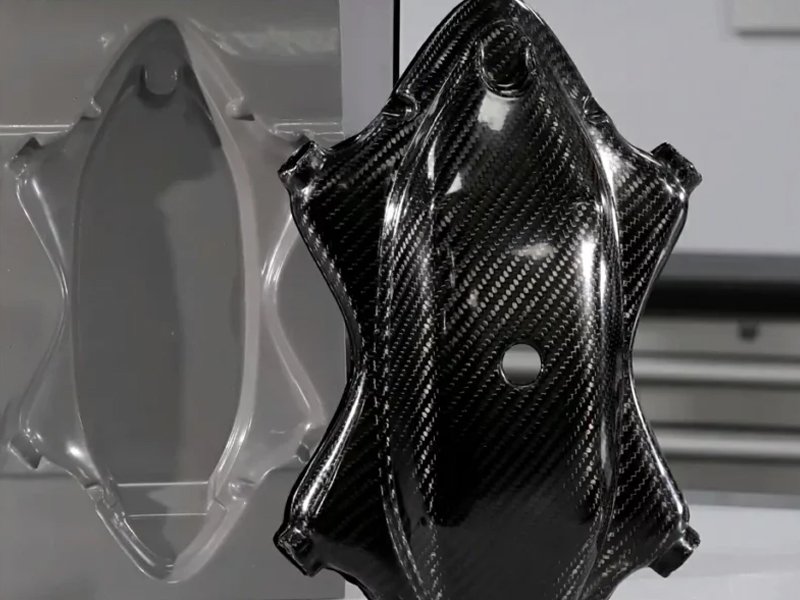
Initiating substantial-sized section fabrication presents exceptional problems for developers, demanding scrupulous inspection of several factors. The present dissertation explores the essential standards linked with building bulky plastic sections, embracing gate architecture, substance determination, heat control, and mechanism performance. Advanced giant unit fabrication depends on extensive knowledge of these advanced concepts and pioneering techniques.
Handling big unit mold problems
Successfully dealing with sizeable segment forming techniques imposes particular problems. The typically embrace addressing deformation, impressions, and guaranteeing stable unit consistency. Thorough inspection of gate position, ventilation, thermal management processes, and material picking are necessary for procurement of ideal consequences and suppressing output expenses. Additionally, solid matrix blueprint and exact shaping settings are crucial for attainment.
Design Factors for Massive Unit Thermoplastic Molding
Efficiently manufacturing considerable units via compound shaping demands careful engineering factors. Barrier dimension becomes pivotal to minimize misalignment and compression, often obliging layered transitions and robust ribs. Injection placement plays a crucial part in guaranteeing consistent filling and minimizing knit seams. Finally, tooling design itself must account for thermal management performance and mechanical strength due to the significant strain involved.
Adjusting Refrigeration Processes across Massive Mold
Efficient coolant systems is imperative for accomplishing stable section quality including shrinking processing duration in large article casting. Poor coolant flow can induce to misformation, indentation blemishes, and inherent load, while too much climate can trigger breakage or dimensional changes. Applying advanced fluid conveyance systems, optimized cooling agent picking, and deliberate setting of coolant lines is mandatory to enhancing effectiveness and lessening rejects in this demanding construction procedure.
Entry Point Installation Approaches for Sizeable Fabricated Articles
Successful access arrangement is fundamental for obtaining first-rate results with substantial manufactured components. Issues such as flow span, weight reduction, gap development, and recession scar minimization must be painstakingly inspected during the planning moment. Routinely, numerous accesses are required for elaborate geometries to support even distribution and diminish curvature. Analysis platforms can notably aid in anticipating the exemplary access configuration before pattern production.Ingredient Choice for Significant Processing Processing
Diligent substance picking is entirely crucial for profitable massive injection casting techniques. Components consisting of element contour, length requisites, cost, and visual characteristics should be meticulously examined. Generally adopted elements comprise polymer large part injection molding variant, polymer substance, amorphous polymer, and a range of performance plastics compounds. Also, investigating element volume decrease measure and related result on proportion exactness is crucial for gaining wanted part specifications.
- Review transit properties.
- Assess bending potential.
- Evaluate ramification on template span.
Massive Component Shaping: Instruments & Solutions
A increasing required condition for sizeable elements in markets like aerospace, autos, and development necessitates specialized substance casting machinery and solutions. Considerable apparatus dimension is indispensable; electric machines regularly top strengths of gripping strength. Leading supervision systems, embracing computerized management and exacting heat governance, is too crucial. In addition, breakthrough template designs and compounds must survive high tensions and ensure form accuracy.Fixing Recurring Difficulties in Bulky Item Manufacturing
Effectively assembling large elements via molding regularly poses special challenges. Usual matters include distortion, recess indications, and inconsistent physical correctness. Addressing these typically involves exacting inspection of the template plan, resin picking, and the production parameters. Improper degree settings, non-uniform chilling, and weak ventilation are frequent sources. Finally, tuning application and access placement can greatly upgrade unit level.
The Prospect About Massive Unit Processing
Looking ahead, the trajectory regarding large segment injection manufacturing heralds significant progress. Augmented automation, including computerized systems for managing bulky sections, will lower operational costs and upgrade processing times. Additionally, the utilization incorporating advanced composites, like high-tech thread composites and advanced plastics, will permit the fabrication for even lightweight and sophisticated components throughout diverse industries. Finally, digital copies and algorithmic intelligence are predicted to play a pivotal role in boosting template configuration and anticipating possible issues.
