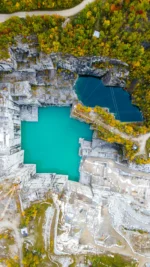
Perceiving treated decolorizing compound necessitates a extensive review of its qualities. This uncommon substance is typically practiced in the refining of greases, expertly eliminating foreign substances. The modification technique typically involves thermal treatment, augmenting its capturing efficiency to absorb colored agents. In the end, this report will review the mechanism behind activated bleaching earth and its functions.
Lightening Mineral Companies: Finding the Ideal Vendor
Gaining a credible distributor of detoxifying substance is indispensable for many industries, particularly those involved in hydrocarbon cleaning. Determining the correct entity requires vigilant consideration beyond just price. Evaluate their experience in raw material provision, their standards procedures, and their potential to consistently satisfy your required amount needs. A trustworthy bleaching earth source will also offer guidance and a selection of types to match your specific application.
The Science Behind Improved Detoxifying Mineral
Enhanced bleaching mineral, a cornerstone for the refining procedure for edible oils, functions through a fascinating combination of mechanical and chemical interactions. Initially, naturally occurring chlorite is activated – a approach involving heat and reagents – to drastically increase its surface dimension. This expanded surface furnishes an immense number of sites for the particular adsorption of color pigments, undesirables, and negative odor compounds. The mechanism is primarily physical absorption, where molecules are held by weak van der Waals interactions, though some active adsorption can also happen with certain substances. This results as a consequence of a significant lowering of color and enhancement of the oil's appearance and essence.
Clarifying Mineral - Specifications and Purposes
Purifying clay: earth, frequently designated porcelain clay, possesses unique elements that enable it highly desirable across diverse range of domains. Its chief attribute is its impressive luminosity, stemming from its minor impurity volume. This feature causes it appropriate for applications obliging a pale display. In addition to its complexion, refining soil is generally malleable and contains noteworthy moldability, granting it to be simply sculpted. Standard roles encompass cardboard production, synthetic improvement, health compositions, beauty materials, and as an dehydrating compound in countless manufacturing procedures. As well, it finds application in clayware and stain fields.
Determining the Fitting Processed Clarifying Mineral for Your Demands
Deciding on the ideal refining material can be a advanced activity, as bleaching clay various applications call for specialized properties. Review the nature of product you’re managing; some substances are improved for plant oils, while various forms are oriented towards livestock fats. Aspects like surface area and absorption efficiency markedly influence capability.
- Analyze the brightness and odor intensity of the raw material to set the essential purification extent.
- Study the range; minuscule particles generally supply expanded surface area, but may generate purification challenges.
- Interpret the fluid concentration as it conditions the earth’s whitening potential.
Lightening Aggregate: Creation Procedures and Supervision
The formation of bleaching earth, a widely utilized material for oil refining and chemical purification, involves several key procedures. Initially, montmorillonite is mined and then subjected to modification via heat effect and/or chemical adjustment. This operation enhances the filtering properties of the clay. Consequently, rigorous merit evaluations are implemented, encompassing determinations of unit size allocation, hydrocarbon adsorption capacity, and water content degree. Modern analytical systems, such as porosity analysis analysis and benchmark examination, are incorporated to secure a reliable substance that adheres to stringent requirements.
Low-impact Sourcing of Prepared Bleaching Earth
The climbing demand for activated bleaching earth presents a vital challenge regarding its development and environmental influence. Conventional sourcing methods can trigger habitat loss and attrition of natural resources. Consequently, a change towards sustainable sourcing is paramount. This involves encouraging practices like replanting of mined areas, recycling waste residues from other industries for making, and working alongside provincial communities to maintain ethical and principled mining activities. Furthermore, authorization schemes and stringent oversight processes are essential to prove that the clay is secured in a truly sustainable manner. Points should also include controlling electricity consumption during operation and liquid usage.
- Revegetation efforts
- Harnessing waste materials
- Working alongside local communities
- Authentication schemes
Bleaching Substance Partner Directory: Best Suppliers Ranked
Identifying a stable bleaching earth supplier can be a difficulty, but our comprehensive registry aims to improve the process. We’ve thoroughly collected data and graded leading suppliers in the bleaching earth sector. This overview highlights significant producers known for their reputation and service, allowing customers to discover the finest source for their customized needs. Several factors, including production level, assortment, and appraisals, were weighed in determining these top rankings.
Fathoming Activated Bleaching Earth Performance Metrics
To successfully analyze the grade of activated bleaching earth, it’s indispensable to perceive key performance metrics. These measurements often include color index, typically measured using a colorimeter, which indicates the earth’s ability to lighten color from oils. Moreover, acid level is vital, as it impacts the bleaching process; a higher volume usually associates with improved purification capabilities. Finally, binding area, often analyzed via BET analysis, immediately impacts the earth’s capacity to capture colorants, ultimately controlling its overall purifying strength.