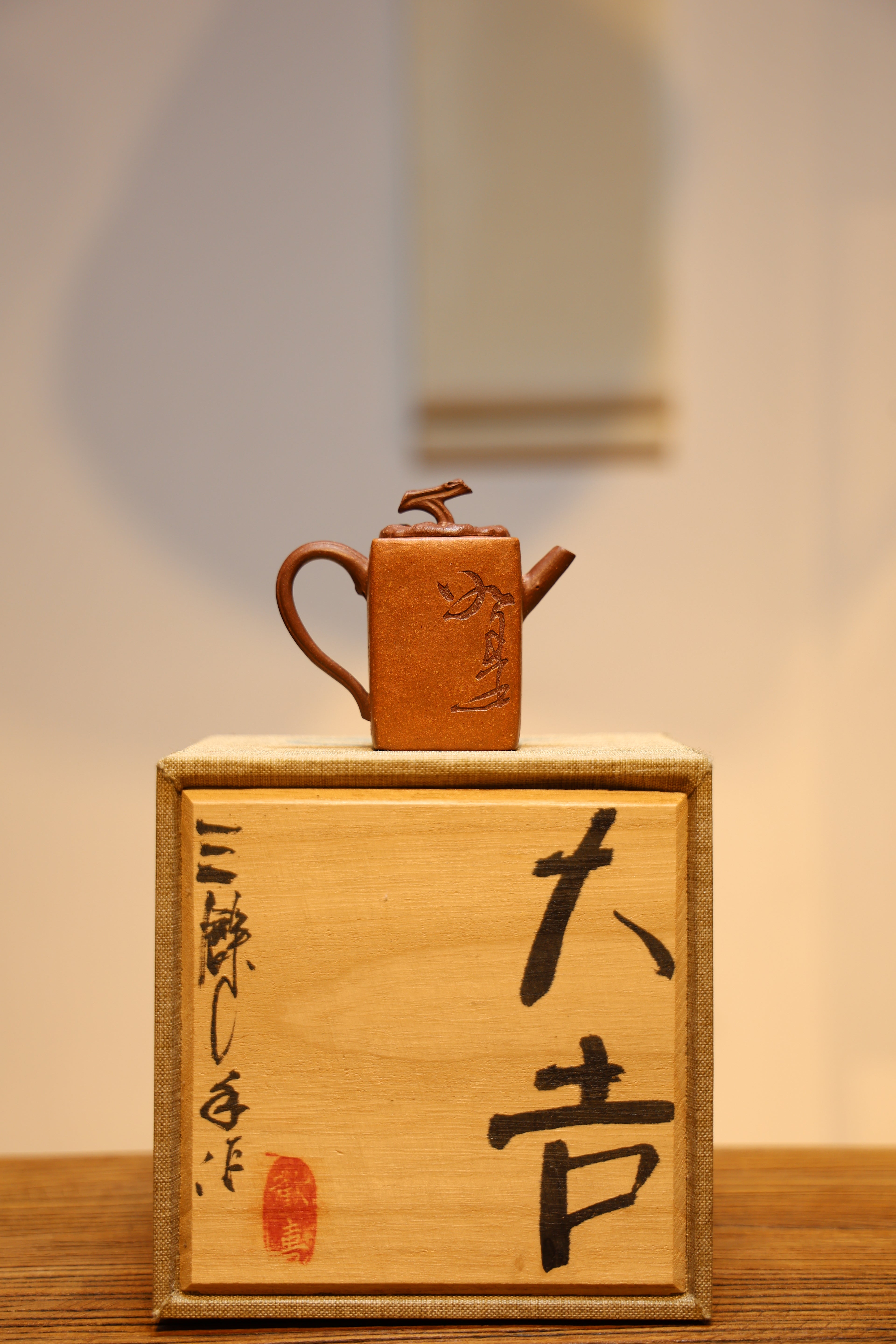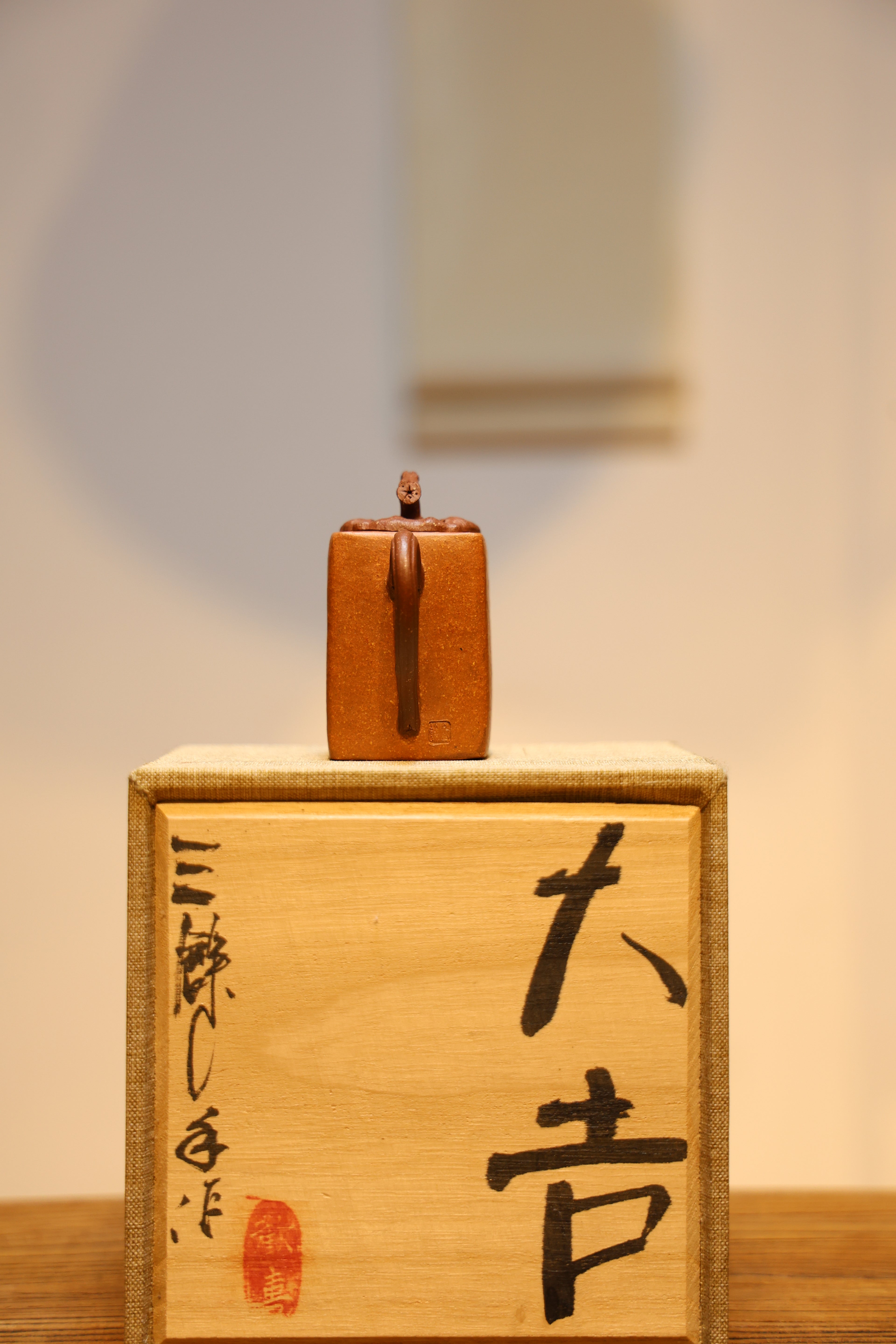
Everlasting heritage establishes Jiangnan containers amid generations,
Demonstrating original attributes extracted amidst domestic heliotrope soils, these vessels evolve a sheen across application, augmenting taste drawn from steeped infusions.
Comprehending Yixing Soil: Thorough Insights into Zisha
Many connoisseurs admire the unique structure of Yixing heliotrope clay, a pillar of established Chinese porcelain. Deriving from the Yixing region of Jiangsu province, this unique clay possesses an complex mineral composition, in order that furnishes excellent qualities to the executed pots. Types within Zisha, including Bing Mud, Duan Ni Mud, and Jiang Xi Mud, each demonstrates specific tints, consistencies, and firing traits, determining the openness and the definitive savor growth of the tea.
Sino Pitcher Heritage: Examining Innovation
Far Eastern teapots embody far more mere flasks for drink; they embody centuries of cultural craft. From the famous Yixing clay variations, respected for their porous nature which delivers exclusive notes to the concoction, to the subtle porcelain from Jingdezhen, each piece narrates a chronicle of devotion. The forming process is an detailed journey, often relayed through lineages of artists. These specialists use time-honored procedures such as hand-building, throwing on wheels, and refining, demonstrating profound reverence for the substance and the skill itself. Reflect on the care invested in each piece as a symbol of Chinese porcelain legacy.
- Fine containers: a iconic offer.
- Translucent pottery teapots: noted for their lightweight design.
- Crafting techniques: a difficult yet fulfilling procedure.
Fine Purple Vessel Safeguarding: Preserving Your Beloved Piece
Adequate management of your special Yixing Zisha vessel is critical to extending its aesthetic. Crafted from exclusive purple sand earth, these fine teapots form a rich patina after employment, meaningfully boosting their allure. Do not use chemicals; a easy rinse with tepid solution is capable. Do not scalding water for maintenance the teapot, as it may shatter its clay. Allow it to fully dry away from powerful sunlight. Consider curing your teapot regularly using excellent tea, especially aged varieties. Here is a brief account:
- Rinse with moderately heated hydrating medium.
- Withhold detergents.
- Let it to evaporate moisture.
- Treat with top-grade tea.
Ancestry of Yixing Teapots: From Simple Starts
The tale of Yixing teapots commences humbly during the Qing dynasty, near the 16th age. Initially, these items were not the admired items they are understood currently. They were fabricated by domestic potters using the specific purple clay found solely in the Yixing vicinity. These early productions were mainly utilitarian, intended for daily practice and often ordinary in composition. It was not until the posterior dynasty that they opened to earn renown beyond mere serviceable crafts.
Deciding On the Best Chinese Vessel: A Beginner's Manual
Venturing the territory of Yixing teapots can be complex, but resist resisting! For starters, the most important factor is understanding the clay. Validated Yixing clay is prized for its diffusibility, allowing the teapot to soak up the tea's bouquet over time, boosting every steeping session. Envision the configuration; traditional circular shapes prevail, yet subjective preferences matter. Lastly, check the overlay—while some favor an natural appearance, others enjoy a faint gloss. Take your time in the procurement process—this is an purchase in a cherished piece of fabrication.
Chinese Purple Pots and Their Impact on Chinese Potion Practice
Zisha vessels, existing from Yixing, China, have profoundly affected ancient Chinese potion culture. Those Yixing clay teapots, prized for their distinctive cast, consistency, and exceptional ability to impart a subtle taste to the concoction, act as more than mere vessels; they are cherished works of art and symbols of eminence. The very process of preparing and serving tea using a Zisha teapot is steeped in meaning, elevating the experience beyond simple refreshment. Families of artisans have improved their techniques, passed down through bloodlines, resulting in highly prized pieces. Hence, Zisha teapots are frequently collected, playing a crucial part in cultivating traditional appreciation for Zisha Teapot aesthetics and the practice of brew ceremonies.
- Distinctive Clay Composition
- Giving Subtle Flavor
- Artistic Craftsmanship
Recognizing Certified Rare Traditional Teapots
Buying a truthful Yixing teapot can be a fulfilling experience, but the industry is often filled with forgeries. Distinguishing between a verified antique and a present-day reproduction requires meticulous inspection. Key evidence include the clay's rich brown shade, often displaying marked prints, and the nonexistence of modern roasting imprints. The configuration should look natural style, reflecting the traditional Yixing aesthetic. Finally, investigating the artist's signature is important to verify accuracy against documented examples.
- Assess the clay's makeup.
- Look for anomalies, indicative of handmade quality.
- Ask an advisor for verification.
Considering Purple Kettles: A Detailed Reference to Earthenware Awareness
The realm of Eastern Zisha earthenware delivers a outstanding opportunity for astute enthusiasts. Steadily, the valuation of these skilled artifacts is influenced by various elements, such as the caliber of earthenware, the craftsmanship of the producer, the ancestral notability, and, naturally, the modern attention. Rookies should invest time on understanding the different types of Zisha clay—such as 冰河, Calm Pot, and Red Clay—and learning about the traits linked to each. Thorough assessment of the teapot's form, color, and seal is concurrently mandatory to make educated evaluations when investing.