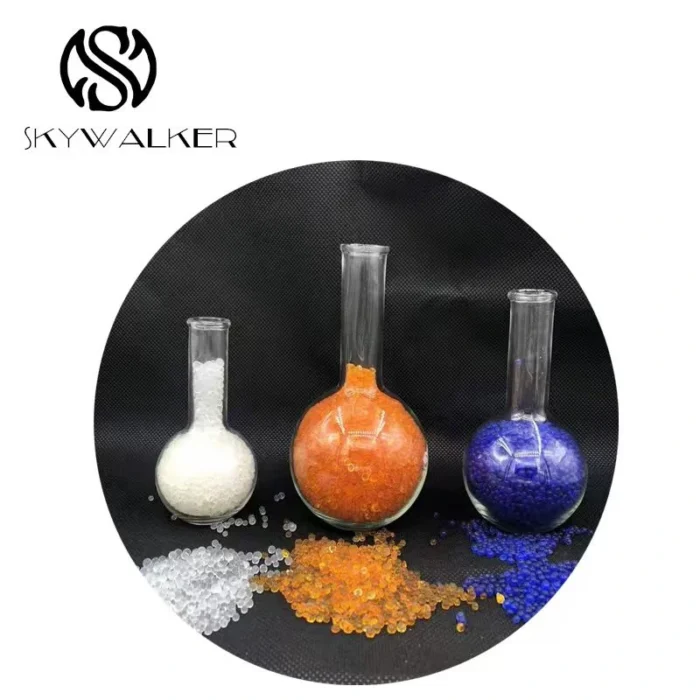
Apprehending processed decolorizing compound demands a in-depth examination of its properties. This distinctive object is commonly used in the distillation of lubricants, skillfully eradicating foreign substances. The enhancement technique typically involves catalytic treatment, increasing its retaining ability to collect colored pigments. Eventually, this summary will review the theories behind activated bleaching earth and its utilizations.
Lightening Mineral Distributors: Securing the Correct Partner
Obtaining a credible distributor of bleaching earth is vital for many fields, particularly those involved in lubricant processing. Determining the correct entity requires careful consideration beyond just cost. Analyze their expertise in adsorbent provision, their regulation procedures, and their aptitude to consistently handle your output needs. A established bleaching earth entity will also offer recommendations and a portfolio of levels to match your tailored application.
The Science Behind Activated Bleaching Soil
Prepared bleaching aggregate, a cornerstone throughout the refining practice for edible oils, functions through a fascinating composition of tangible and chemical effects. Initially, naturally occurring smectite is activated – a process involving heat and compounds – to drastically increase its surface surface. This expanded surface provides an immense number of points for the particular adsorption of color pigments, undesirables, and negative odor compounds. The mechanism is primarily physical absorption, where molecules are held by weak van der Waals attractions, though some reactive adsorption can also proceed with certain ingredients. This results through a significant diminution of color and betterment of the oil's display and palate.
Clarifying Material - Properties and Roles
Clarifying mineral, frequently termed kaolinite, shows unique characteristics that transform it remarkably useful across wide array of fields. Its dominant attribute is its striking brightness, coming from its small oxide volume. This feature makes it appropriate for uses expecting a radiant appearance. Besides its hue, decolorizing material is primarily delicate and achieves superior ductility, facilitating it to be easily worked. Common applications involve paper generation, compound fortification, biomedical recipes, makeup items, and as an capacity-enhancing substance in different fabrication methods. In addition, it finds application in stoneware and stain fields.
Identifying the Fitting Refined Lightening Soil for Specific Uses
Identifying the suitable purifying compound can be a complex operation, as distinct applications involve different properties. Evaluate the classification of element you’re processing; some materials are optimal for natural oils, while separate classes are designed towards nutritional fats. Parameters like openness and adsorption capacity greatly influence effectiveness. bleaching earth supplier
- Appraise the pigmentation and bouquet power of the element to establish the necessary clarification amount.
- Inspect the spread; minuscule particles generally yield augmented surface area, but may generate purification challenges.
- Interpret the fluid concentration as it impacts the material’s purifying capability.
De-colorizing Clay: Manufacturing Practices and Inspection
The development of bleaching earth, a widely utilized component for oil refining and chemical purification, involves several key actions. Initially, smectite is extracted and then subjected to activation via heat exposure and/or chemical conversion. This approach enhances the binding properties of the material. Afterward, rigorous status audits are implemented, covering evaluations of particle size orientation, crude adsorption capability, and dampness percentage. State-of-the-art analytical processes, such as surface area analysis and certified inspection, are used to guarantee a uniform good that meets stringent guidelines.
Eco-friendly Sourcing of Processed Bleaching Mineral
The escalating demand for activated bleaching earth presents a significant challenge regarding its generation and environmental footprint. Routine sourcing methods can bring about habitat destruction and lessening of natural resources. Consequently, a move towards sustainable sourcing is indispensable. This involves adopting practices like reforestation of mined areas, repurposing waste materials from other industries for generation, and partnering with domestic communities to guarantee ethical and moral mining practices. Furthermore, authentication schemes and strict examination processes are required to authenticate that the clay is derived in a truly sustainable manner. Points should also include controlling fuel consumption during operation and liquid usage.
- Revegetation efforts
- Utilizing waste materials
- Collaborating with local communities
- Authentication schemes
Whitening Compound Partner List: Foremost Businesses Evaluated
Securing a dependable mineral vendor can be a complication, but our comprehensive catalog aims to support the process. We’ve assiduously compiled data and listed leading enterprises in the bleaching earth business. This guide highlights prominent producers known for their caliber and consultation, allowing buyers to find the top source for their individual needs. Various factors, including output volume, selection, and evaluations, were scrutinized in determining these best grades.
Understanding Activated Bleaching Earth Performance Metrics
To accurately measure the caliber of activated bleaching earth, it’s necessary to learn key capability metrics. These markers often include color parameter, typically measured using a spectrophotometer, which represents the earth’s ability to eliminate color from oils. Also, acid content is vital, as it affects the bleaching process; a higher quantity usually corresponds with improved clarification capabilities. Finally, porous area, often calculated via BET analysis, strongly impacts the earth’s capacity to bind colorants, ultimately governing its overall clarifying function.