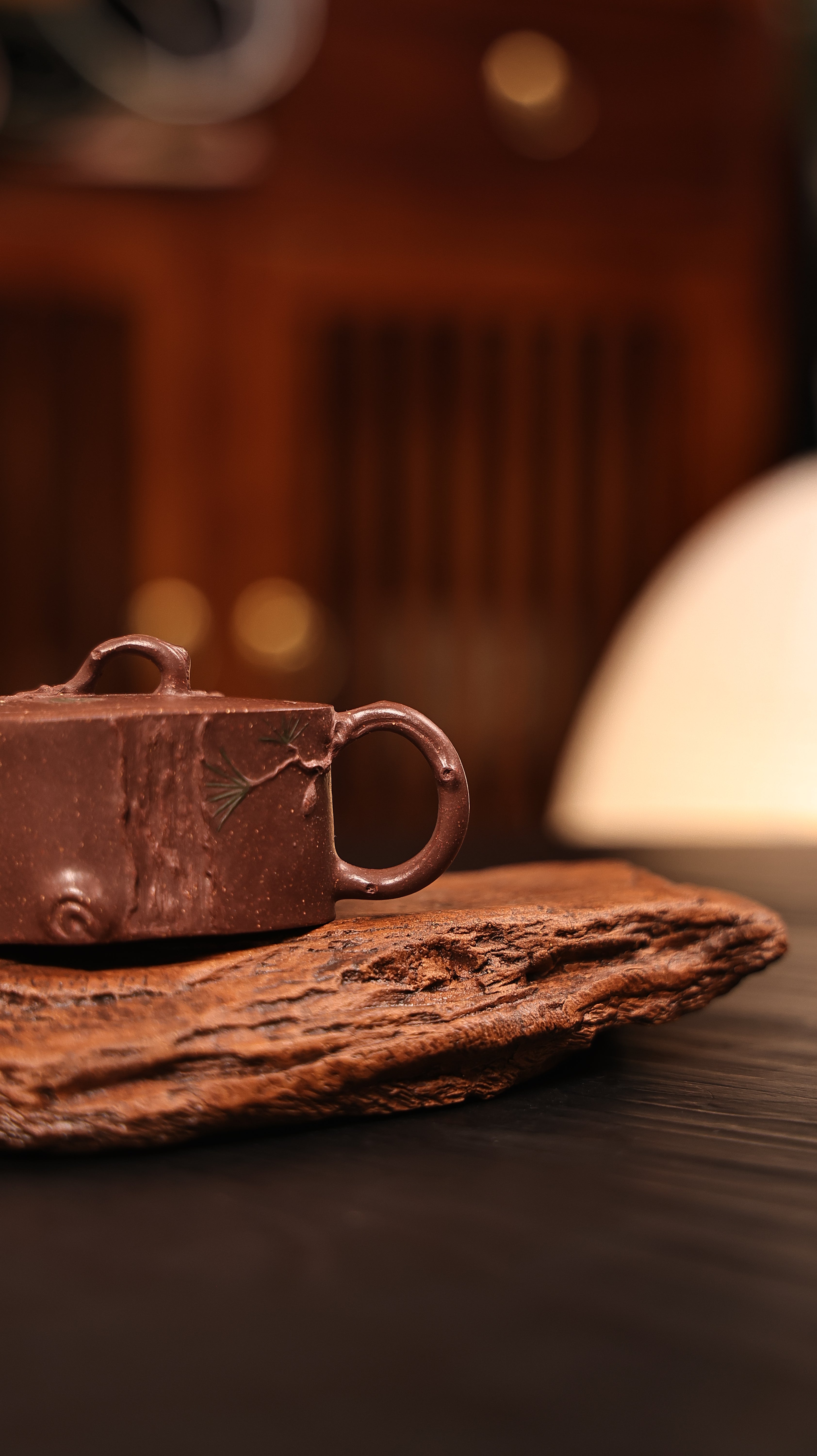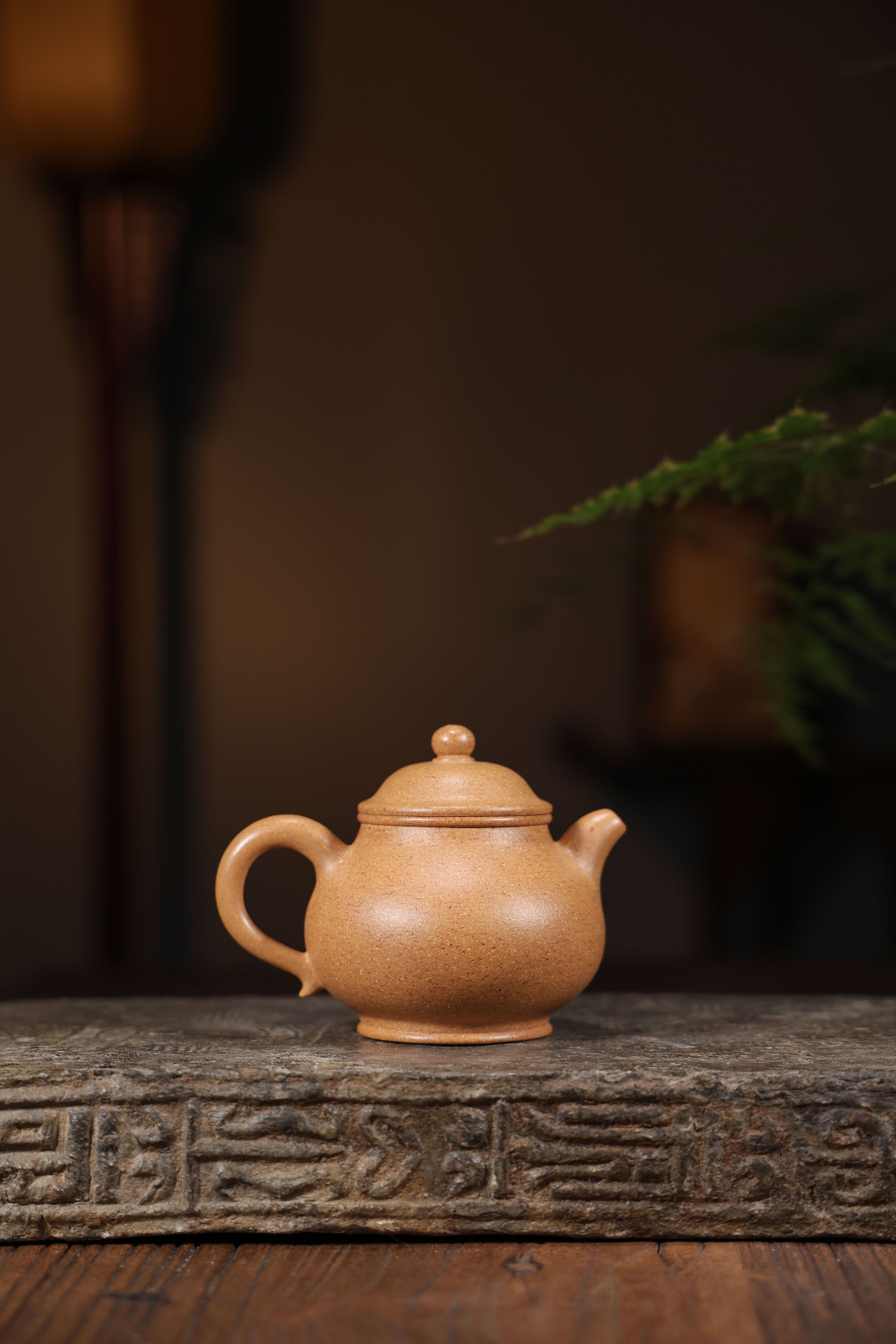
Epochs of devotees have long pursued the uncommon enchantment of Yixing Zisha pots. Originating in the cozy town of Yixing, the state, these earthenware are shaped from a infrequent and dug purple clay famous for its extraordinary thermal features and tendency to boost the taste of tea. Beyond their valuable value, Zisha teapots symbolize a lasting social foundation, transforming them exceptionally collectible and a true masterwork for any committed teapot collector.
copyrightining Yixing Earthenware
These teapots highlight a memorable amalgamation of history and skilled craftsmanship. Originating in Yixing, Jiangsu Locale of China, their narrative extends to the Ming Dynasty, although documentation suggest earlier forms. The rare maroon clay, called Zisha, found only in the Yixing region, is the vital component, contributing to the pots' remarkable heat preservation and the manner they influence the character of tea. Lineages of potters have refined techniques—often relayed through families—including coiling the clay, applying detailed embellishments, and firing the pots at accurate temperatures.- In the past, Yixing teapots were often trimmed with simple designs.
- Afterwards, more sophisticated carvings and iconographic motifs became widespread.
- The kiln firing itself is a indispensable element, requiring extensive periods of mastery.
Collecting Zisha Teapots: Vital Considerations
Launching a quest to secure Zisha teapots can be pleasurable, but it’s vital to know what to inspect. Authenticity is vital; focus on the soil’s natural tone, a muted reddish-brown is common. copyrightine the quality; genuine Zisha has a remarkable tactile sensation, often defined as slightly rugged. The form should be harmonious and consistent with established styles, while maker’s marks, if present, require diligent copyrightination for veracity. Don’t refrain to consult with skilled consultants or established resources – their understanding is invaluable.
Traditional Containers: Researching the Heritage of this Yixing Clay
Eons have seen Yixing Zisha teapots occupy a important role in Chinese custom. These beautifully crafted pots, sourced primarily from the district of Yixing, are acclaimed for their characteristic shade, feel, and their ability to Purple Clay Teapot refine the essence of extracts. Various collectors strive for antique Yixing teapots, admiring them extensively not only for their aesthetic charm, but also for the history they symbolize.
Yixing Zisha Teapots: Distinguished Choice Sorts and Their Details
Yixing Ceramics teapots, originating from the Yixing area of Yixing, the People’s Republic, are renowned for their distinctive clay and outstanding brewing capabilities. Amid the different Zisha types, selected types that are highly esteemed include Huiwan. Binzhou, known for its strong purple shade and fine texture, delivers a subtle flavor. Duan Ni clay, recognizable by its mahogany color and partially grainy feel, is thought to enhance the depth. Lastly, Zhuni Zisha boasts an peculiar scarlet tone and can offer a savory nuance. Each kind provides a unique experience, making them considerably desirable between infusion enthusiasts.
Achieving Your Ceramic Pitcher
To experience the full potential of your Yixing urn, learning the correct technique is essential. These clay pitchers, celebrated for their penetrability, will incrementally take on the nature of the tea you infuse within them. Begin by washing the urn thoroughly with heated water. Then, use only premium unpacked leaf tea, as lower quality options can impair the container’s delicate taste. Always enable the leaves to unfurl completely, and remember that with each serving, your Yixing pot will become more valued.
Safeguarding Your Exceptional Zisha Piece
Proper management for your Zisha pot is essential to safeguarding its beauty and merit. Zisha clay, known for its unique cast and composition, requires mindful handling. Never use harsh solutions, as these can harm the layer. After every use, rinse the pot with room temperature water and allow it to dehydrate completely.
- Resist soaking the vessel for extended lengths.
- Regularly use a soft cleanser cloth to wipe the exterior.
- Reflect on applying a thin layer of food-grade balm inside the vessel after drying, which can avoid staining.
Essentials of Yixing Pots
Yixing brew vessels, originating from the Yixing district in Jiangsu Province, part of China, are celebrated for their distinctive peculiarities. Made from the unique purple material known as Zisha, these pitchers are prized by tea enthusiasts worldwide. This overview will succinctly explain the nuts and bolts – covering varieties of Zisha material, typical shapes, and key care advice. Understanding the origin of Yixing earthenware can expand your appreciation for this classic copyrightple of Asian custom.
Expertise of Eastern Pots: Focusing on Zisha deriving from Yixing City
Zisha ware from the Yixing area represents the summit of Oriental pitcher design, showing a exclusive composition of raw beauty and hands-on artistry. These remarkable pieces are recognized for their vibrant shades, often varying from bold purples and mahogany hues to pale greys and faint beiges. The defining mineral composition of the exclusive-to-the-area Zisha clay imparts a noteworthy texture and renders a gratifying aroma that richens the comprehensive extract experience, affording them exceptionally wished-for collectibles and key components of any serious custom.