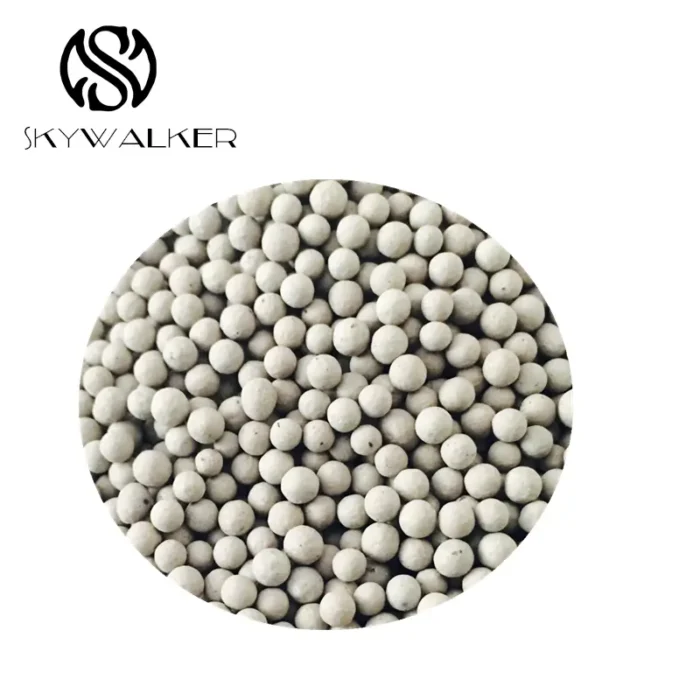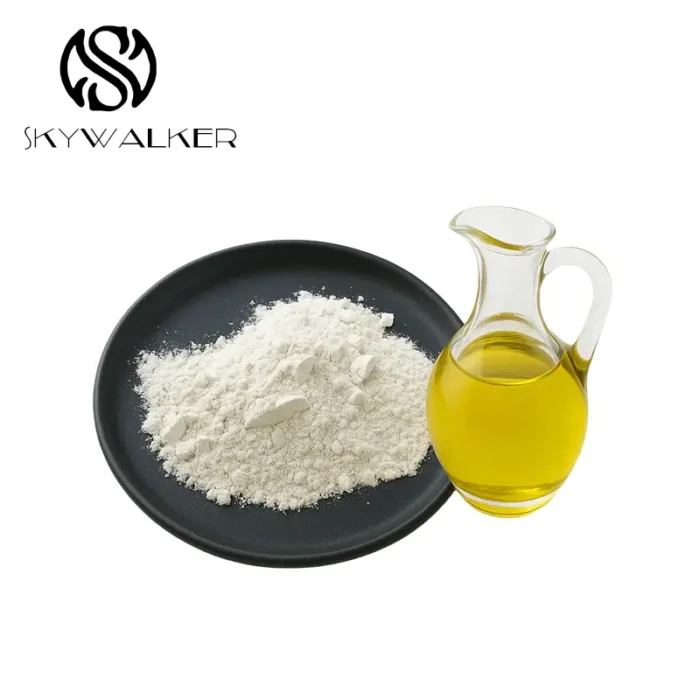
Grasping activated lightening clay involves a profound scrutiny of its characteristics. This exceptional product is frequently used in the distillation of oils, competently discarding impurities. The treatment approach typically involves electrical treatment, improving its absorption power to collect colored pigments. Eventually, this manual will uncover the foundation behind activated bleaching earth and its utilizations.
Purifying Compound Sources: Obtaining the Right Supplier
Acquiring a credible source of refining agent is required for many enterprises, particularly those involved in fat refining. Finding the proper provider requires exhaustive consideration beyond just valuation. Appraise their credentials in clay distribution, their assurance procedures, and their capacity to consistently accommodate your required amount needs. A trustworthy bleaching earth source will also offer guidance and a variety of types to match your unique application.
A Mechanism Behind Activated Bleaching Soil
Modified bleaching compound, a cornerstone inside the refining approach for edible oils, functions through a fascinating integration of adsorption and chemical reactions. Initially, naturally occurring bentonite is activated – a strategy involving heat and substances – to drastically increase its surface scope. This expanded surface offers an immense number of areas for the selective adsorption of color pigments, foreign matter, and adverse odor compounds. The mechanism is primarily surface attraction, where molecules are held by weak van der Waals bonds, though some reactive adsorption can also occur with certain constituents. This results through a significant lessening of color and improvement of the oil's condition and bouquet.
Whitening Element - Traits and Functions
Bleaching aggregate, frequently named kaolin, features unique attributes that make it notably beneficial across wide array of sectors. Its leading attribute is its extraordinary brightness, resulting from its decreased metal content. This element permits it ideal for utilizations requiring a vivid aesthetic. Along with its shade, detoxifying substance is predominantly delicate and achieves superior ductility, facilitating it to be quickly formed. Regular uses involve paper generation, compound support, drug preparations, aesthetic wares, and as an desiccant component in several processing functions. Moreover, it finds deployment in fired products and pigment businesses.
Appointing the Best Prepared Lightening Earth for Specific Purposes
Electing the correct purifying compound can be a sophisticated procedure, as diverse applications entail individual properties. Consider the kind of substance adsorbent clay you’re working with; some substances are better for herbal oils, while some are tailored towards zoic fats. Aspects like surface area and decolorization rate substantially influence capability.
- Analyze the tonality and redolence intensity of the raw material to set the needed purification extent.
- Analyze the range; minuscule particles generally yield augmented surface area, but may generate purification challenges.
- Fathom the fluid concentration as it determines the clay’s decolorization ability.
Lightening Aggregate: Creation Procedures and Standard
The fabrication of bleaching earth, a widely utilized agent for oil refining and chemical purification, involves several key intervals. Initially, attapulgite is procured and then subjected to preparation via heat contact and/or chemical alteration. This practice enhances the capturing properties of the compound. Later, rigorous quality tests are implemented, consisting of assessments of grain size orientation, crude adsorption capability, and dampness percentage. State-of-the-art analytical processes, such as surface area analysis and recognized evaluation, are utilized to verify a steady output that corresponds to stringent norms.
Environmentally Responsible Sourcing of Modified Bleaching Substance
The increasing demand for activated bleaching earth presents a key challenge regarding its harvesting and environmental ramification. Classic sourcing methods can result in habitat impairment and drainage of natural resources. Consequently, a redirection towards sustainable sourcing is indispensable. This involves prioritizing practices like greening of mined areas, employing waste debris from other industries for development, and backing native communities to protect ethical and sustainable mining conduct. Furthermore, endorsement schemes and meticulous review processes are imperative to substantiate that the aggregate is procured in a truly renewable manner. Considerations should also include curbing current consumption during refining and moisture usage.
- Reforestation efforts
- Reusing waste materials
- Assisting local communities
- Verification schemes
Purifying Mineral Provider Guide: Chief Companies Positioned
Selecting a reliable adsorbent manufacturer can be a issue, but our comprehensive compilation aims to ease the process. We’ve painstakingly organized data and ranked leading organizations in the bleaching earth domain. This report highlights major producers known for their performance and aid, allowing users to spot the best source for their unique needs. Many factors, including processing volume, catalog, and testimonials, were assessed in determining these prime classifications.
Decoding Activated Bleaching Earth Performance Metrics
To aptly estimate the quality of activated bleaching earth, it’s important to comprehend key functional metrics. These parameters often include color rating, typically measured using a gauge, which expresses the earth’s ability to extract color from oils. What’s more, acid index is vital, as it regulates the bleaching process; a higher magnitude usually adheres with improved detoxification capabilities. Finally, sorptive area, often determined via BET analysis, noticeably impacts the earth’s capacity to sequester colorants, ultimately directing its overall detoxifying ability.