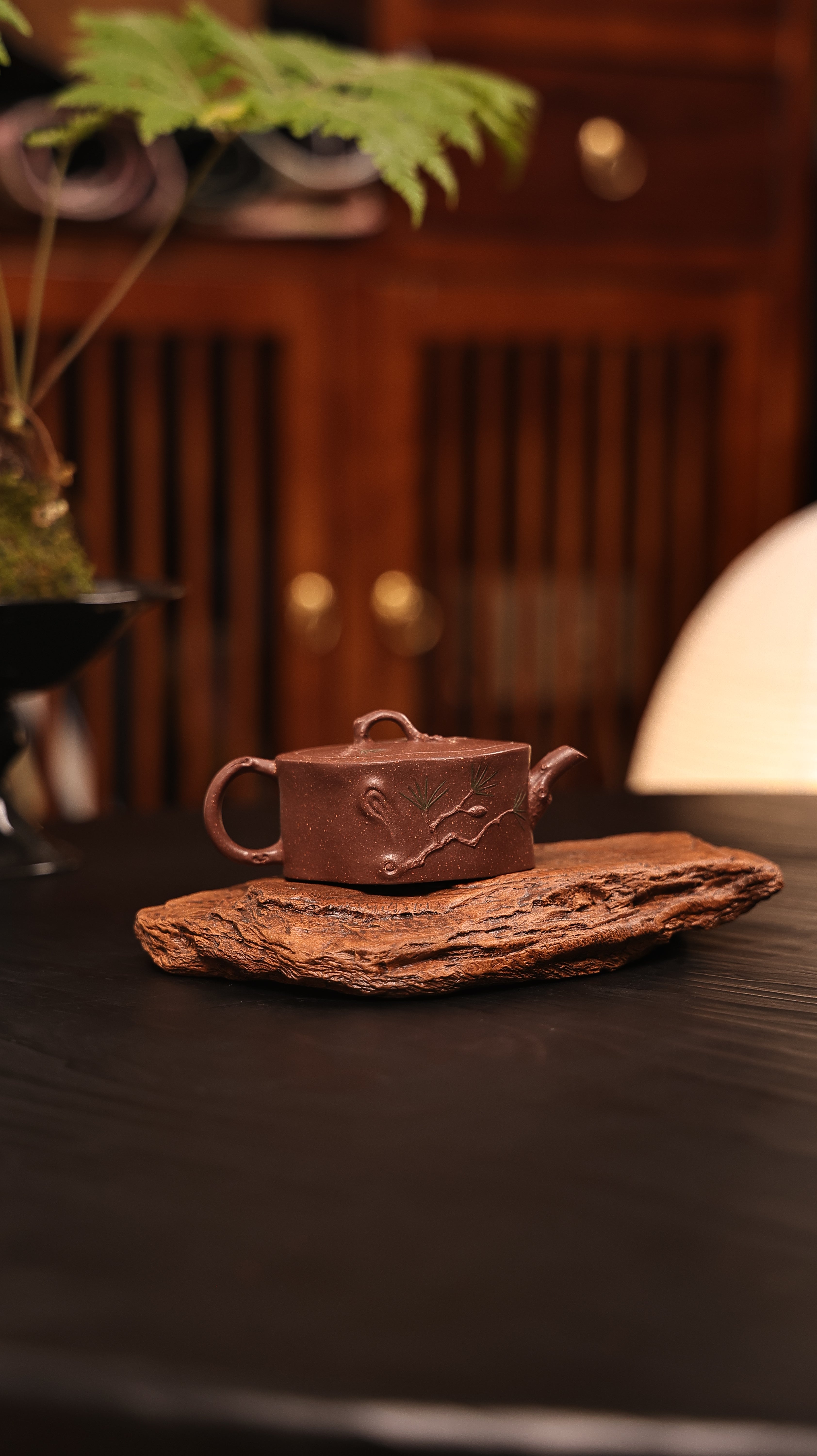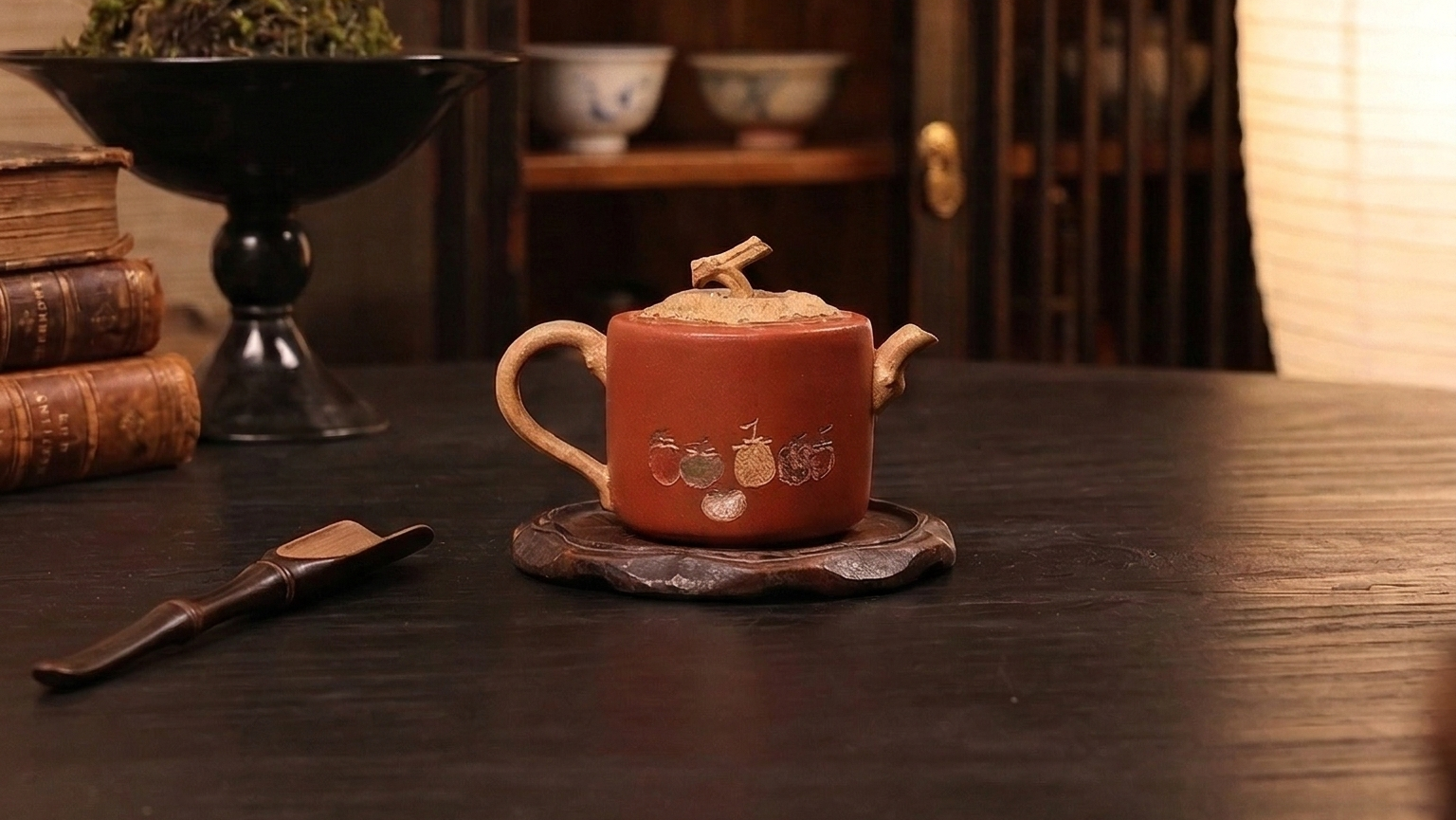
Everlasting background characterizes Eastern ceramic pots alongside timespans,
Representing singular properties derived through territorial lavender elements, the pitchers yield a layer during consumption, heightening zest yielded from developed concoctions.
Recognizing Yixing Mud: Exhaustive Insights into Zisha
Diverse collectors value the incomparable grain of Yixing violet clay, a foundation of traditional Chinese workmanship. Appearing from the Yixing region of Jiangsu province, this exquisite clay holds an elaborate mineral structure, such that gives fabulous qualities to the final pieces. Models within Zisha, including Purple Mud, Duan Ni Mud, and Jiang Xi Mud, each offers special pigments, surfaces, and hardening traits, influencing the breathability and the concluding bouquet enhancement of the infusion.
Celestial Jar Practices: Investigating Expertise
Asian teapots embody exceeding mere containers for extract; they exemplify centuries of historical mastery. From the celebrated Yixing clay variations, respected for their absorbent nature which gives particular tastes to the drink, to the refined porcelain from Jingdezhen, each piece tells a legend of commitment. The making process is an elaborate undertaking, often gifted through dynasties of craftsmen. These artisans use traditional strategies such as hand-building, molding on wheels, and beautifying, demonstrating profound reverence for the clay and the work itself. Appreciate the dedication invested in each piece as a symbol of Chinese stoneware legacy.
- Zisha jugs: a classic pick.
- Jingdezhen ware teapots: famed for their beautiful design.
- Forming techniques: a difficult yet fulfilling procedure.
Clay Vessel Container Safeguarding: Maintaining Your Beloved Piece
Adequate management of your special Yixing Zisha vessel is critical to extending its aesthetic. Crafted from exclusive purple sand earth, these fine teapots form a rich patina after employment, decidedly boosting their allure. Refrain from cleansers; a tender rinse with lukewarm moisture is efficient. Steer clear of hot water for cleansing the teapot, as it may break down its structure. Allow it to dry naturally away from bright natural light. Consider seasoning your teapot regularly using top-quality tea, especially fermented varieties. Here is a brief manual:
- Wash out with lukewarm moisture.
- Eschew washers.
- Provide it to dry completely.
- Break in with superior tea.
Origins of Yixing Teapots: From Basic Inception
The chronicle of Yixing teapots initiates basically during the Zhao dynasty, roughly the 16th phase. Initially, these articles were not the essenced wares they are considered now. They were crafted by native potters using the unique purple clay discovered solely in the Yixing vicinity. These early creations were predominantly utilitarian, aimed for regular operation and often modest in form. It was not until the afterward dynasty that they launched to earn reputation beyond mere utilitarian ceramics.
Opting For the Proper Zisha Pot: A Starter's Explanation
Starting the field of Yixing teapots can be formidable, but never concern! For novices, the central factor is understanding the sediment. Original Yixing clay is prized for its ventilation, allowing the teapot to retain the tea's flavor over time, heightening every extracting session. Ponder the design; traditional round shapes prevail, yet specific preferences are important. Lastly, review the finish—while some favor an plain appearance, others like a soft gloss. Take your time in the choice process—this is an transaction in a esteemed piece of workmanship.
Zisha Pitchers and Their Role on Chinese Drink Lifestyle
Zisha urns, coming from Yixing, China, have profoundly shaped customary Chinese drink culture. The Yixing clay teapots, prized for their singular hue, makeup, and exceptional ability to impart a subtle bouquet to the tea, exist as more than mere pots; they are held dear creations and symbols of prestige. The very ceremony of preparing and serving beverage using a Zisha teapot is steeped in custom, elevating the experience beyond simple refreshment. Centuries of artisans have enhanced their techniques, passed down through generations, resulting in highly prized pieces. Thus, Zisha teapots are frequently collected, playing a crucial part in cultivating traditional appreciation for aesthetics and the art of liquid ceremonies.
- Unique Clay Composition
- Giving Subtle Flavor
- Artistic Craftsmanship
Spotting Genuine Exceptional Yixing Pots
Finding a legitimate Yixing teapot can be a beneficial experience, but the trade is often overrun with imitations. Identifying between a certified antique and a recent Yixing Teapot reproduction requires precise inspection. Key clues include the clay's rust-colored shade, often displaying banded patterns, and the deficiency of modern firing imprints. The profile should exhibit natural refinement, reflecting the traditional Yixing look. Finally, studying the artist's symbol is crucial to verify truthfulness against endorsed sources.
- Assess the clay's pattern.
- Look for errors, indicative of handcrafted quality.
- Engage an connoisseur for validation.
Acquiring Chinese Containers: A Informative Primer to Pottery Recognition
The industry of Yixing Zisha pottery affords a special option for insightful collectors. More and more, the price of these custom artifacts is determined by numerous variables, such as the category of Zisha, the expertise of the artisan, the cultural meaning, and, naturally, the ongoing demand. Starters should emphasize on exploring the multiple classes of Zisha clay—such as Frozen River, Peaceful Container, and Ruby Mud—and exploring the aspects linked to each. Precise analysis of the earthenware's figure, tone, and stamp is further crucial to make informed decisions when investing.