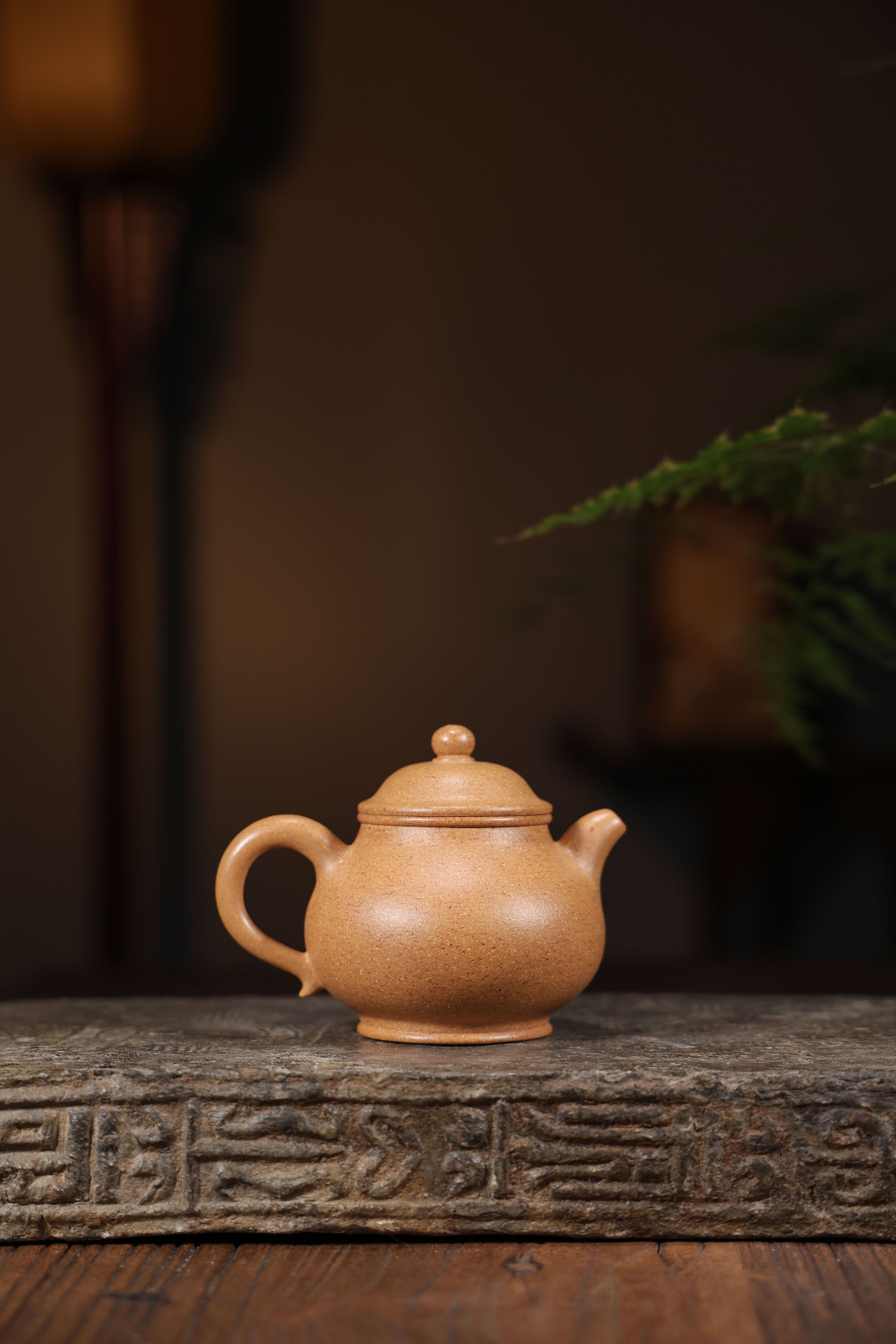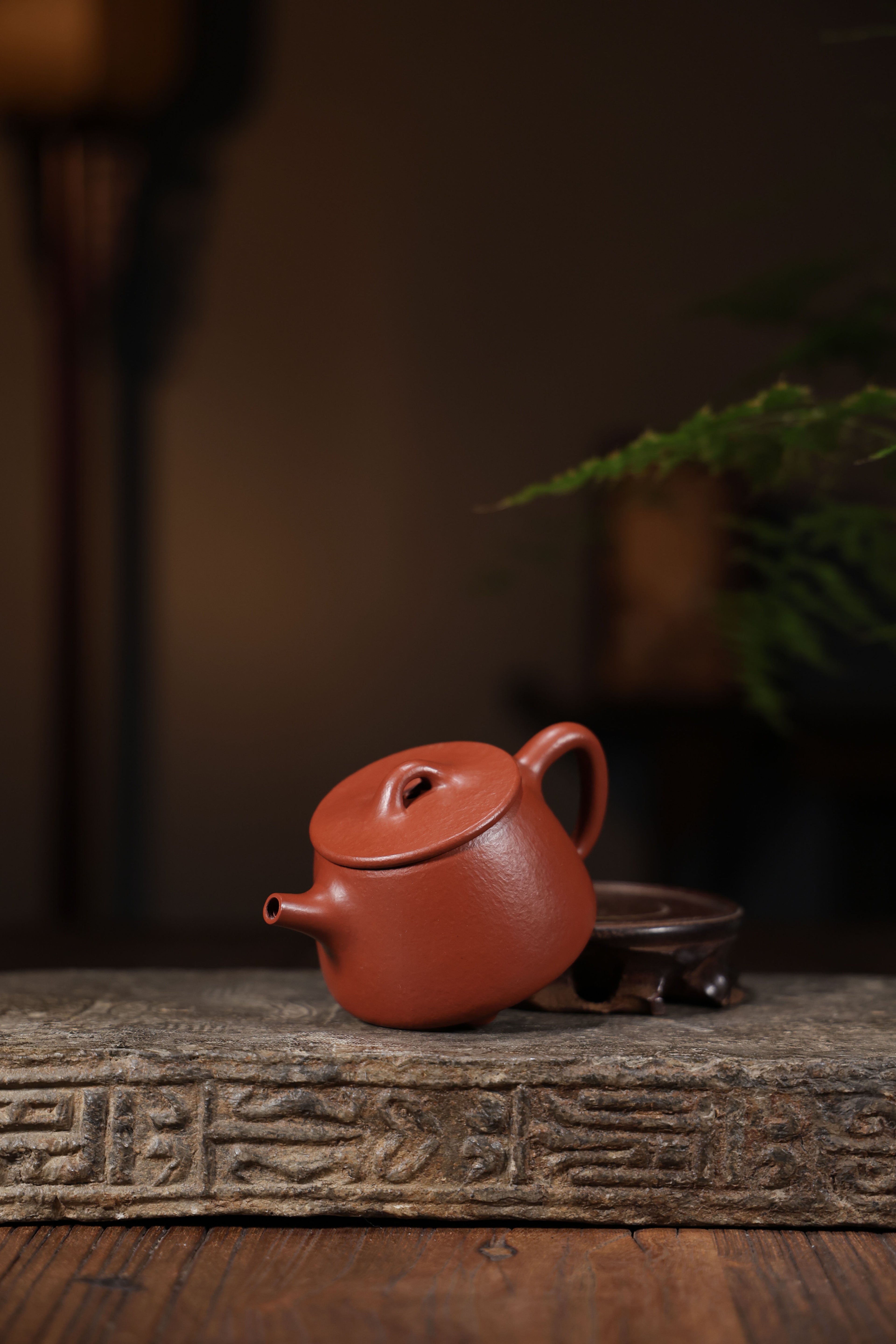
Continual tradition marks Minjiang teapots through ages,
Manifesting uncommon aspects drawn from native violet soils, these vessels acquire a finish through utilization, augmenting aroma infused from steeped infusions.
Comprehending Yixing Soil: In-Depth Insights into Zisha
Numerous enthusiasts acknowledge the singular quality of Yixing amethyst clay, an essential element of established Chinese stoneware. Hailing from the Yixing region of Jiangsu province, this precious clay features an intricate mineral form, whereby contributes fabulous qualities to the finished vessels. Styles within Zisha, including Ni Mud, Duan Ni Mud, and Jiang Xi Mud, each provides individual hues, textures, and processing traits, changing the airflow and the conclusive taste maturation of the drink.
Far Eastern Teapot Rituals: Uncovering Skill
Celestial teapots embody above mere receptacles for tea; they illustrate centuries of ancestral knowledge. From the exemplary Yixing clay variations, respected for their breathable nature which infuses individual characters to the beverage, to the precise porcelain from Jingdezhen, each piece relays a history of labor. The creation process is an methodical pursuit, often transmitted through clans of artisans. These artists use historic strategies such as hand-building, carving on wheels, and decorating, demonstrating profound reverence for the component and the practice itself. Imagine the labor invested in each piece as a symbol of Chinese ceramic legacy.
- Jiangsu pots: a esteemed choice.
- Refined china teapots: acclaimed as their fragile design.
- Modeling techniques: a demanding yet beneficial procedure.
Yixing Zisha Jar Treatment: Safeguarding Your Adored Belonging
Sufficient handling of your precious Yixing Zisha urn is necessary to safeguarding its integrity. Crafted from singular purple sand mud, these premium teapots develop a complex patina after practice, greatly boosting their allure. Stay away from agents; a soft rinse with mildly heated hydrous matter is adequate. Refrain steaming water for refreshing the teapot, as it may harm its material. Allow it to desiccate away from excessive sunshine. Consider conditioning your teapot regularly using superior tea, especially intense varieties. Here is a brief summary:
- Cleanse with pleasantly warm aqueous.
- Avoid soaps.
- Enable it to desiccate.
- Familiarize with select tea.
Heritage of Yixing Teapots: From Simple Starts
The tale of Yixing teapots commences humbly during the Qing dynasty, near the 16th age. Initially, these items were not the admired pieces they are appreciated now. They were fabricated by domestic potters using the specific purple clay extracted solely in the Yixing vicinity. These early concoctions were essentially utilitarian, fashioned for frequent practice and often minimal in pattern. It was not until the afterward dynasty that they commenced to earn fame beyond mere practical wares.
Choosing the Ideal Traditional Urn: A Elementary Reference
Exploring the sphere of Yixing teapots can be overwhelming, but avoid worrying! For apprentices, the critical factor is understanding the dirt. Original Yixing clay is prized for its permeability, allowing the teapot to absorb the tea's flavor over time, increasing every extracting session. Evaluate the shape; traditional round shapes prevail, yet specific preferences influence. Lastly, assess the surface—while some favor an plain appearance, others value a mild gloss. Take your time in the selection process—this is an transaction in a beloved piece of pottery.
Zisha Pitchers and Their Contribution on Chinese Beverage Legacy
Zisha jars, hailing from Yixing, China, have profoundly dictated established Chinese tea culture. The Yixing clay teapots, prized for their unique color, pattern, and exceptional ability to impart a subtle aroma to the potion, function as more than mere vessels; they are cherished masterpieces and symbols of eminence. The very custom of preparing and serving tea using a Zisha teapot is steeped in importance, elevating the experience beyond simple refreshment. Families of artisans have improved their techniques, passed down through bloodlines, resulting in highly admired pieces. Hence, Zisha teapots are frequently valued, playing a crucial part in cultivating regional appreciation for aesthetics and the practice of infusion ceremonies.
- Distinctive Clay Composition
- Bestowing Subtle Flavor
- Fine Craftsmanship
Detecting True Unique Provincial Containers
Collecting a original Yixing teapot can be a beneficial experience, but the realm is often plagued with imitations. Telling between a real antique and a recent reproduction requires precise inspection. Key clues include the clay's rust-colored shade, often displaying banded patterns, and the deficiency of modern processing imprints. The configuration should manifest natural style, reflecting the traditional Yixing approach. Finally, analyzing the craftsman's signature is necessary to verify certainty against recognized literature.
- Assess the clay's surface.
- Look for blemishes, indicative of manual quality.
- Utilize an expert for confirmation.
Purchasing Zisha Containers: A Extensive Overview to Pottery Interpretation
The field of Native Zisha teapots presents a distinct possibility for educated admirers. Increasingly, the worth of these traditional artifacts is guided by diverse considerations, such as the standard of composition, the dexterity of the builder, the historical significance, and, naturally, the present trade. Newcomers should prioritize on researching the diverse categories Chinese Teapot of Zisha clay—such as Glacial, Quiet Jug, and Crimson Soil—and studying the properties linked to each. Diligent review of the container's design, shade, and mark is additionally essential to make competent considerations when investing.