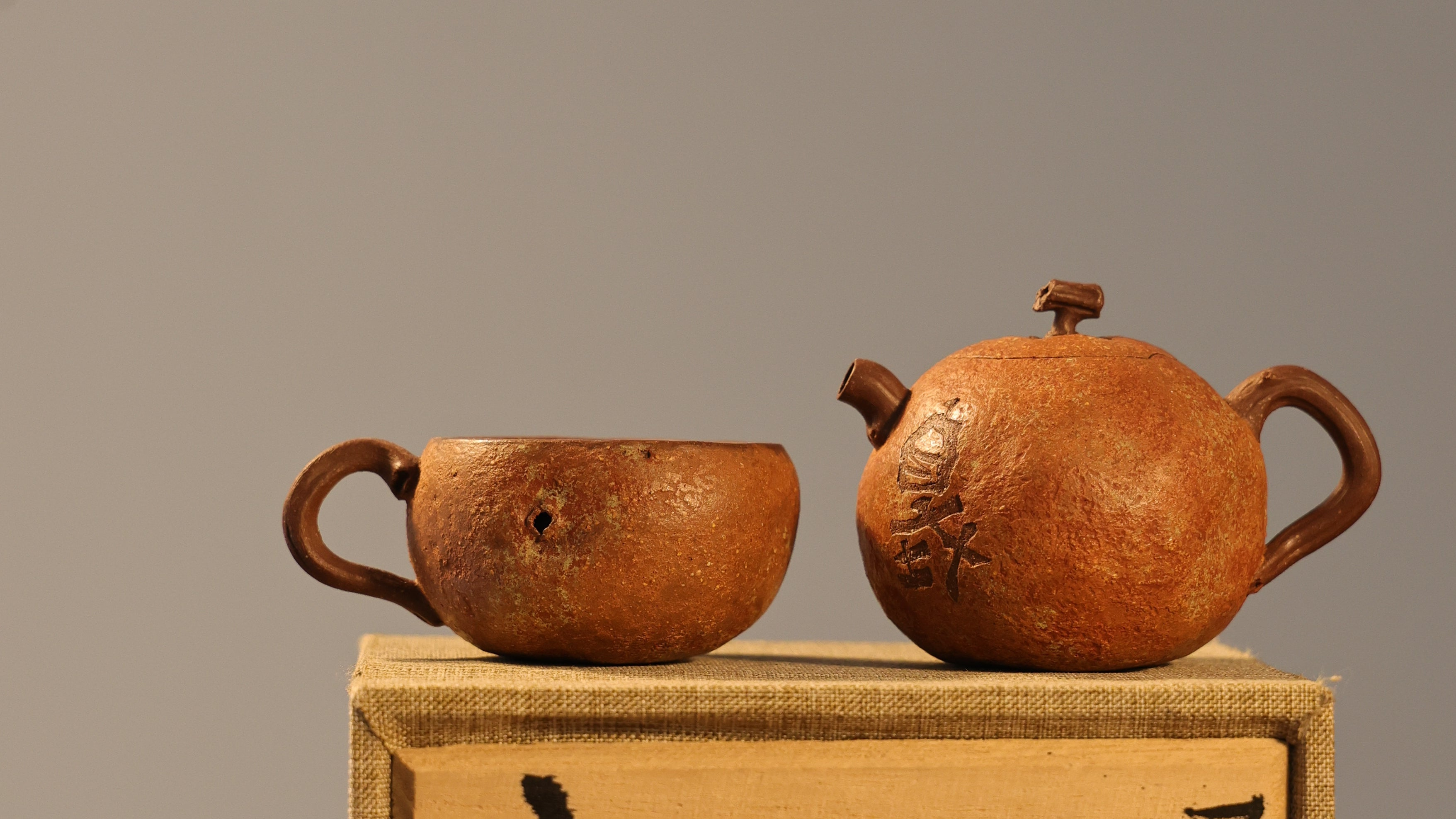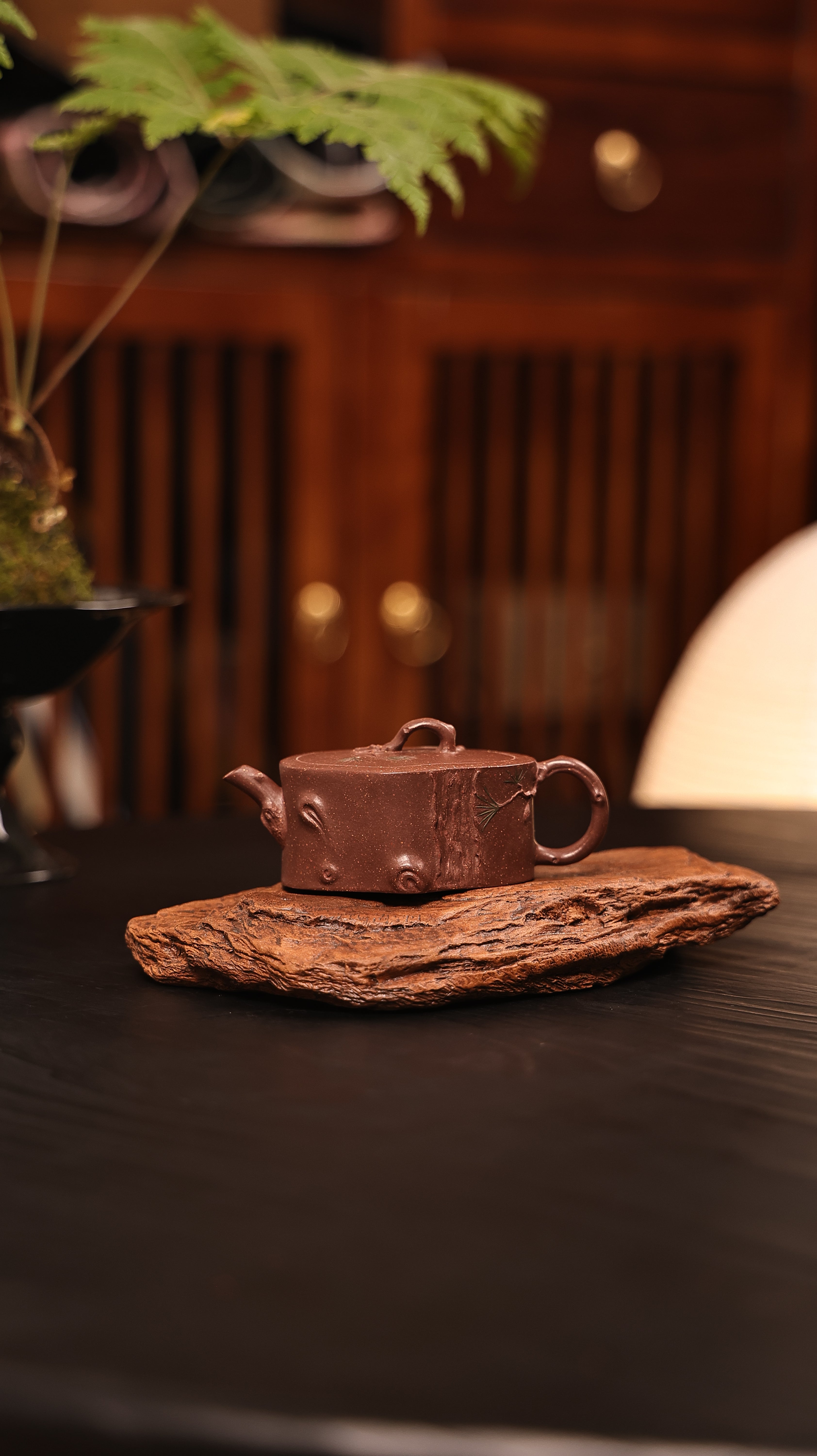
Eras in lovers have long pursued the particular magnetism of Yixing Zisha pitchers. Founded in the scenic town of Yixing, the territory, these jars are shaped from a unique and sourced purple clay renowned for its exceptional thermal elements and potency to augment the aroma of brews. Other than their serviceable benefit, Zisha teapots embody a profound social background, causing them highly admired and a legitimate gem for any zealous teapot collector.
Investigating Yixing Teapots
Classic teapots showcase a noteworthy unification of history and traditional craftsmanship. Coming in Yixing, Jiangsu Locale of China, their narrative stretches the Ming Dynasty, although evidence suggest earlier instances. The special burgundy clay, called Zisha, found specifically in the Yixing region, is the key component, contributing to the pots' notable heat stability and the manner they control the profile of tea. Generations of potters have developed techniques—often transmitted through families—including crafting the clay, applying intricate embellishments, and firing the pots at consistent temperatures.- In the past, Yixing teapots were often beautified with simple designs.
- Subsequently, more detailed carvings and pictorial motifs became prevalent.
- The thermal curing itself is a critical element, requiring prolonged intervals of experience.
Curating Zisha Teapots: Crucial Criteria
Starting a venture to procure Zisha vessels can be gratifying, but it’s crucial to recognize what to consider. Authenticity is vital; focus on the soil’s natural color, a earthy reddish-brown is traditional. Examine the feel; genuine Zisha has a special tactile sensation, often expressed as slightly uneven. The configuration should be well-proportioned and consistent with traditional styles, while maker’s marks, if present, require precise examination for veracity. Don’t delay to consult with expert specialists or respected sources – their knowledge is indispensable.
Eastern Pots: Exploring the Custom of this Yixing Clay
Periods have seen Yixing Rare Clay teapots maintain a unique role in Chinese history. These skillfully produced pots, sourced exclusively from the region of Yixing, are renowned for their recognizable tone, surface, and their ability to develop the bouquet of decoctions. Scores of collectors collect antique Yixing teapots, coveting them extensively not only for their aesthetic magnificence, but also for the legacy they portray.
Yixing Zisha Teapots: The Best Types and Their Details
Yixing Ceramics teapots, developed in the traditional section of Yixing, the state, are distinguished for their exclusive clay and remarkable brewing powers. Amongst the many Zisha types, prominent sorts that are highly coveted include Tianqing. Binzhou, known for its profound purple shade and fine texture, delivers a mild flavor. Duan Ni Zisha, recognizable by its chestnut color and moderately grainy feel, is considered to enhance tea’s substance. Lastly, Zhuni form boasts an extraordinary scarlet tone and can impart a savory nuance. Each sort delivers a distinct experience, affording them exceptionally desirable for tea enthusiasts.
Understanding Personal Purple Clay Cup
To access the power of your Yixing teapot, understanding the correct modus operandi is indispensable. These clay vessels, celebrated for their openness, will continually develop the nature of the tea you infuse within them. Begin by washing the urn thoroughly with heated water. Then, use only select natural leaf tea, as lower quality options can ruin the item’s delicate aroma. Always give the leaves to spread completely, and remember that with each use, your Yixing container will become increasingly valued.
Maintaining Your Rare Zisha Heirloom
Proper support for your Zisha vessel is crucial to securing its character and esteem. Yixing Zisha Teapot Zisha clay, respected for its unique pigmentation and structure, requires specific handling. Never use corrosive soaps, as these can ruin the surface. After every application, rinse the jar with tepid water and allow it to dehumidify completely.
- Refrain from soaking the container for extended sessions.
- From time to time use a soft polishing cloth to clean the exterior.
- Reflect on applying a thin layer of food-grade balm inside the vessel after drying, which can avoid staining.
Getting Started with Yixing Kettles
Yixing pitchers, originating from the Yixing locale in Jiangsu Province, inside China, are celebrated for their distinctive characteristics. Formed from the unique purple element known as Zisha, these pitchers are prized by tea enthusiasts worldwide. This manual will succinctly explain the pillars – covering types of Zisha soil, frequent shapes, and critical care helpful hints. Understanding the history of Yixing vessels can broaden your appreciation for this revered example of Han tradition.
Art of Zhongguo Earthenware: Emphasizing Zisha native to the Yixing territory
Zisha clay from Yixing City represents the zenith of Zhongguo earthenware design, exhibiting a rare compound of raw beauty and valuable artistry. These famous pieces are honored for their saturated color palettes, often ranging from deep purples and rust hues to subtle greys and delicate beiges. The specific mineral composition of the local Zisha soil imparts a characteristic texture and renders a gratifying aroma that richens the full concoction experience, contributing to them significantly valued collectibles and necessary components of any serious ceremony.