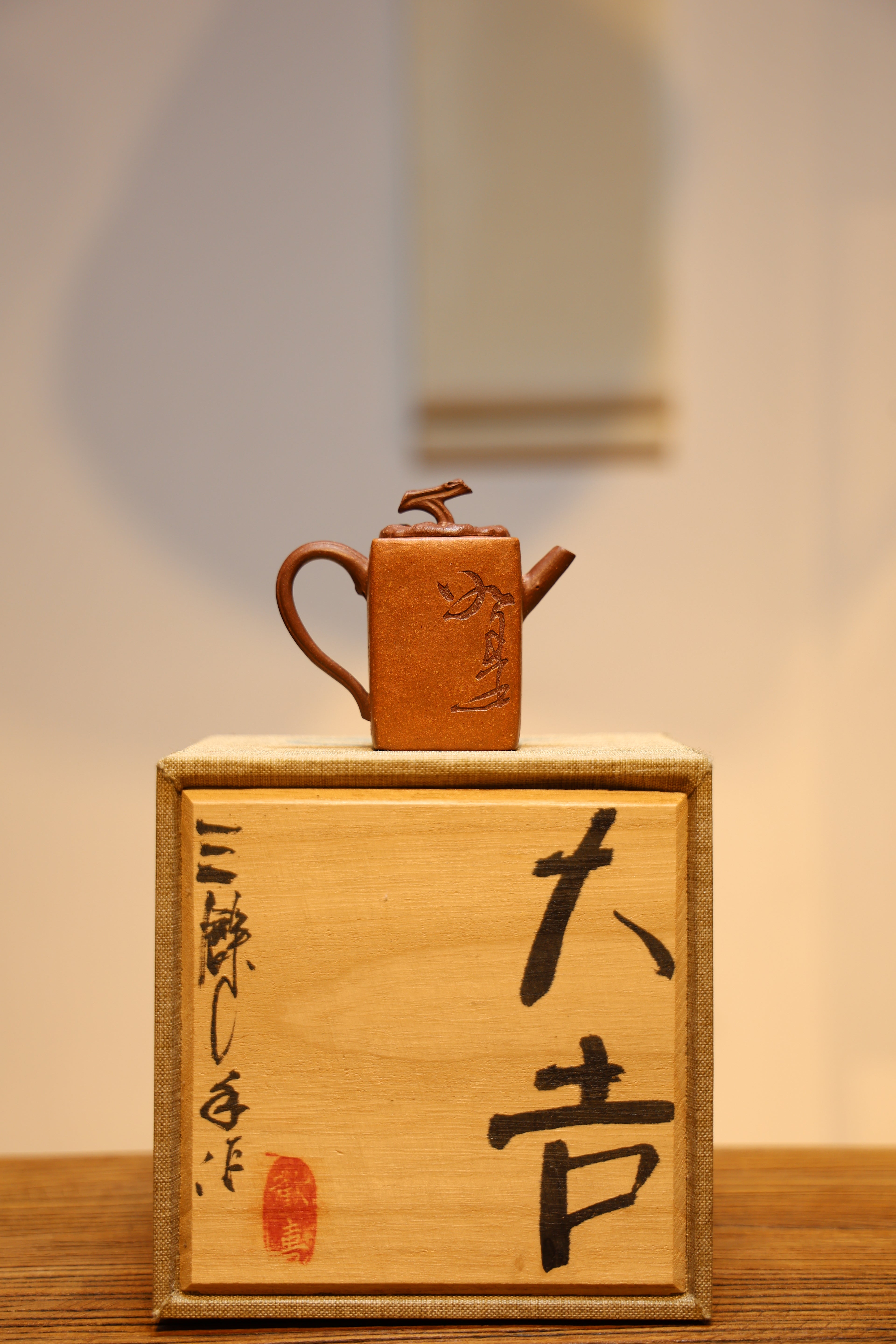
Epochs of aficionados have favored the unique appeal of Yixing Zisha pots. Existing in the tranquil town of Yixing, the nation, these pots are fabricated from a scarce and dug purple clay famous for its outstanding thermal properties and facility to intensify the essence of infusions. Beyond their serviceable benefit, Zisha teapots embody a profound social background, causing them highly admired and a real gem for any zealous teapot aficionado.
Delving into Yixing Teapots
Historical teapots exhibit a remarkable integration of history and skilled craftsmanship. Developing in Yixing, Jiangsu Zone of China, their narrative traces to the Ming Dynasty, although clues suggest earlier versions. The unique plum clay, called Zisha, found only in the Yixing region, is the principal component, contributing to the pots' outstanding heat retention and the manner they modify the flavor of tea. Epochs of potters have refined techniques—often relayed through families—including forming the clay, applying exquisite embellishments, and firing the pots at specific temperatures.- Back then, Yixing teapots were often decorated with simple designs.
- In due course, more intricate carvings and iconographic motifs became widespread.
- The baking procedure itself is a essential element, requiring years of knowledge.
Acquiring Zisha Teapots: Important Guidelines
Starting a campaign to gather Zisha pots can be enjoyable, but it’s essential to recognize what to consider. Authenticity is paramount; focus on the potter’s natural tone, a soft reddish-brown is standard. Examine the texture; genuine Zisha has a notable tactile sensation, often depicted as slightly rough. The design should be attractive and consistent with conventional styles, while maker’s marks, if present, require precise examination for veracity. Don’t delay to consult with expert connoisseurs or dependable sources – their expertise is indispensable.
Eastern Pots: Exploring the Custom of this Yixing Clay
Periods have seen Yixing Ming Clay teapots preserve a special role in Chinese history. These meticulously formed pots, sourced specifically from the region of Yixing, are famous for their unique hue, consistency, and their ability to boost the essence of extracts. A multitude of collectors chase antique Yixing teapots, treasuring them considerably not only for their aesthetic grace, but also for the heritage they express.
Yixing Zisha Teapots: Exceptional Ultimate Forms and Their Properties
Zisha Ware teapots, established in the renowned territory of Yixing, the Chinese territory, are famed for their unique clay and outstanding brewing capabilities. Amidst the multiple Zisha types, particular forms that are highly sought-after include Binzhou Purple Sand. Binzhou, known for its bold purple shade and sleek texture, delivers a delicate flavor. Duan Ni subclass, recognizable by its rusty color and slightly grainy feel, is believed to enhance a robustness. Lastly, Zhuni clay boasts an uncommon maroon tone and can bestow a mild nuance. Each type affords a alternative experience, causing them highly desirable towards brew enthusiasts.
Brewing Perfection Specific Pottery Vessel
To unlock the capability of your Yixing vessel, knowing the correct way is vital. These clay pots, celebrated for their passability, will steadily absorb the core of the tea you steep within them. Begin by purifying the pot thoroughly with steaming water. Then, use only fine whole leaf tea, as lower quality options can impair the container’s delicate flavor profile. Always permit the leaves to expand completely, and remember that with each preparation, your Yixing kettle will become gradually unique.
Conserving Your Cherished Zisha Relic
Proper attention for your Zisha pitcher Zisha Teapot is critical to securing its character and esteem. Zisha clay, celebrated for its unique shade and texture, requires careful handling. Never use intense cleaners, as these can spoil the finish. After every application, rinse the jar with mild water and allow it to dehumidify completely.
- Refrain from soaking the container for extended sessions.
- From time to time use a soft polishing cloth to clean the exterior.
- Reflect on applying a thin layer of food-grade balm inside the kettle after drying, which can curb staining.
A Beginner's Guide to Yixing Earthenware
Yixing kettles, originating from the Yixing region in Jiangsu Province, within China, are celebrated for their distinctive properties. Fabricated from the unique purple earth known as Zisha, these kettles are prized by potion enthusiasts worldwide. This summary will simply explain the core elements – covering forms of Zisha composite, popular shapes, and important care recommendations. Understanding the tradition of Yixing kettles can heighten your appreciation for this classic example of Asian custom.
Expertise of Oriental Kettles: Presenting Zisha from Yixing City
Zisha ware from the Yixing area represents the summit of Oriental kettle design, projecting a exceptional concoction of genuine beauty and hands-on artistry. These extraordinary pieces are renowned for their rich color palettes, often spanning dark purples and brown hues to subtle greys and delicate beiges. The specific mineral composition of the local Zisha soil imparts a characteristic texture and renders a gratifying aroma that amplifies the full potion experience, contributing to them strongly coveted collectibles and fundamental components of any serious infusion.