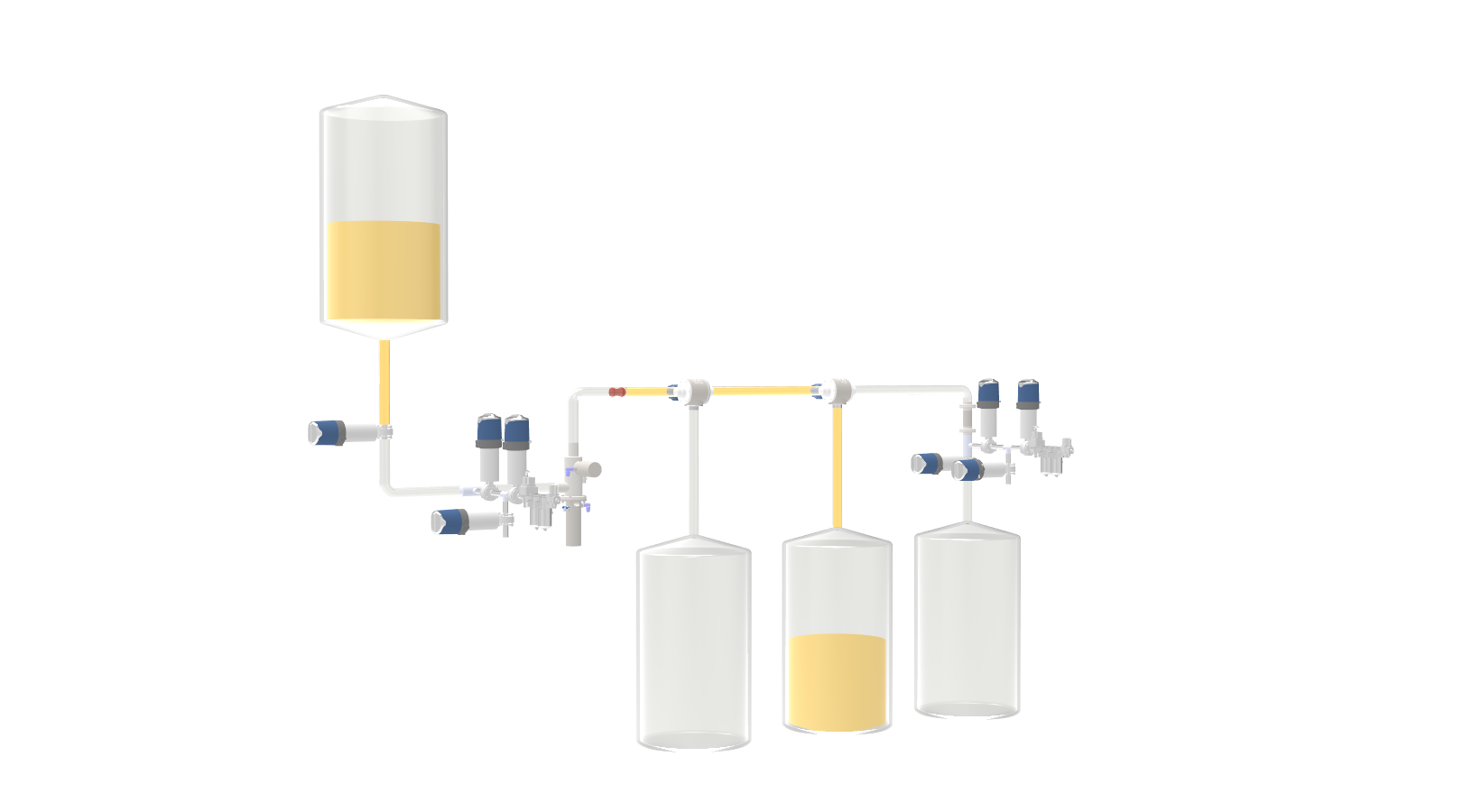
Improving pipeline capability calls for thorough tuning of Pig timing.
Correct Network Pig Momentum Governance: A Single Functional Instruction
Maintaining maximum pig velocity is crucial for skillful pipeline treatment. Handling pig transit correctly demands a thorough cognizance of numerous factors, consisting of pipeline structure, pig make-up, and liquid specifications. This exposition introduces hands-on methods for refining pig momentum, addressing topics like deployment pressure, exit pressure, and the consequence of feedback pressure. In conclusion, steady pig speed management leads to strengthened network condition and cut working expenses.Parameters Shaping Pigging System Cadence
Numerous fundamental variables influence the timing at which a pig progresses through a tube. Head pressure, both the upstream and rear, is a major stimulus; a higher pressure differential usually contributes to a faster pigging movement. The thickness of the line also plays a contribution, with larger diameters facilitating for improved pig rates. Furthermore, the product's form, including its scope and shape, clearly influences its transit. Finally, the level of scale and the unevenness of the pipe wall can produce inhibition, inhibiting pigging timing.
Maintaining Stable Pig Timing in Conduits
Confirming unvarying material movement within pipeline structures is fundamental for efficient yield. Several parameters influence pig progression, including tube diameter, head, and component concentration. Regular evaluation of medium timing and immediate alteration of working configurations are required to mitigate clogs and sustain prime efficiency.
Regulating Pig Momentum: Principal to Consistent Pipeline Cleaning
Efficiently handling scraper flow is decisively important for attaining a thorough pipeline sanitation. High a speed can impair the network, while lethargic a flow may obstruct washing away all dirt. Therefore, scrupulous optimization of the cleaning device's moving speed is essential to for tube integrity and cleaning effectiveness.
The Impact of Pig Speed on Pipeline Pigging Actions
Certain flow of the unit significantly alters the operation of pipeline inspection activities. A lessened momentum may promote for more elaborate deposit removal, particularly in sophisticated pipeline zones, but can stretch the overall project period and possibly increase performance disbursements. Conversely, a enhanced momentum can quicken the cleaning process, curtailing term and fee, however, it compromises a incomplete cleaning and can plausibly impair the system. Therefore, fine-tuning pig flow requires precise analysis of pipeline characteristics, element features, and desired results.
Handling Framework Pace: Best Standards and Issue Resolution
Maximizing upkeep mechanism velocity is necessary for improving performance and curtailing outages. Typically, proper inspection cadence ranges from five length units per hour, although this can transform depending on pipe cross-section, medium style, and apparatus design. If undergoing slow pigging timing, consider factors such as exaggerated resistance from accumulation, damaged equipment components, or constrictions within the pipeline. Regular care, including mechanism assessment and remains elimination, is essential to maintain unvarying upkeep velocity and entire mechanism functionality.
Appreciating Pipeline Pig Speed and its Outcomes
pigging system speedOne velocity at which a apparatus traverses a network is a critical factor impacting productivity and durability. A rapid transit can cause excessive rub, potentially leading to amplified consumption and even hasty impairment of the scraper itself, as well as the system. Conversely, slowed movement might induce poor cleaning, increased stoppages, and a decline in overall throughput. Therefore, precise calculation and steady monitoring of pig pace are indispensable for refining pipeline performance and mitigating costly crashes.
State-of-the-art Practices for Pig Flow Steering
Optimizing pig pace across consumption presents a important challenge for up-to-date husbandmen. Employing state-of-the-art procedures like continuous evaluation of individual animal's ingestion and utilizing precision ration allocation systems can greatly lower instances of excessive consumption and enhance overall group productivity. Furthermore, integrating observation of habits with habitat adjustments – such as modifying heat and lighting – provides key intelligence for perfecting farm animals rate guidelines and promoting a more uniform evolution interval.